 By Admin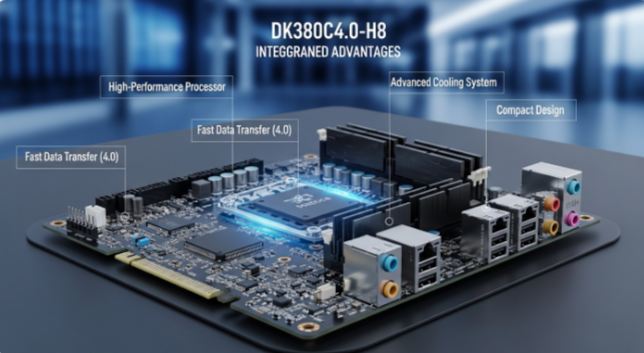
If you have been looking for information on DK380C4.0-H8, you are not alone. The search term DK380C4.0-H8 is quickly gaining popularity on all technological forums, platforms, and sectors. Irrespective of whether you are an engineer, a technician, a buyer, or a researcher on the digital platform, knowing all about DK380C 4.0-H8 in depth can help you gain a competitive edge.
This in-depth, SEO-friendly article will take you through all aspects of DK380C 4.0-H8, right from its technological structure and performance parameters to applications, benefits, drawbacks, implementation techniques, and future projections. By the end of this article, you will know all about DK380C 4.0-H8 and its relevance in contemporary technological environments.
What Is DK380C4.0-H8?
DK380C 4.0-H8 is commonly known as a high-efficiency performance module designed for optimized output, system stability, and advanced compatibility. Although the naming convention looks very technical, each part of the naming convention DK380C 4.0-H8 usually represents:
-
DK – Product family or manufacturer series
-
380C – Core architecture or processing class
-
4.0 – Version iteration or firmware generation
-
H8 – Hardware configuration or advanced optimization tier
The DK380C 4.0-H8 system is often associated with robust processing capabilities, industrial-grade reliability, and scalable configuration frameworks. It is engineered to meet high-performance standards while maintaining operational efficiency.
Core Features of DK380C4.0-H8
Below are the defining features that make DK380C4.0-H8 stand out in its category:
1. Advanced Processing Core
DK380C 4.0-H8 includes a high-performance architecture optimized for heavy computational tasks, real-time monitoring, and adaptive load balancing.
2. Version 4.0 Stability Enhancement
The 4.0 generation integrates improved firmware algorithms that reduce system latency, enhance throughput, and strengthen internal synchronization.
3. H8 Hardware Optimization Layer
The H8 layer typically represents enhanced hardware tuning — better cooling systems, improved circuit integrity, and reinforced performance sustainability.
4. Multi-Platform Compatibility
DK380C4.0-H8 supports cross-platform integration, enabling use across diverse operating environments.
5. Energy Efficiency Protocol
Despite delivering powerful output, DK380C4.0-H8 integrates energy management systems to maintain operational cost-effectiveness.
Why DK380C4.0-H8 Is Gaining Popularity
The rapid rise in searches for DK380C 4.0-H8 can be attributed to several factors:
-
Increased demand for reliable performance modules
-
Industrial automation growth
-
Smart system integration requirements
-
Firmware upgrade cycles
-
Long-term hardware lifecycle optimization
Professionals are turning to DK380C 4.0-H8 because it balances power, precision, and reliability — a rare combination in complex technical systems.
Technical Specifications of DK380C4.0-H8
While specifications can vary depending on manufacturer customization, typical DK380C 4.0-H8 configurations include:
-
High-frequency processing unit
-
Advanced multi-thread optimization
-
Enhanced thermal dissipation
-
Modular upgrade compatibility
-
Integrated safety compliance protocols
-
Secure firmware architecture
These elements collectively ensure DK380C 4.0-H8 performs efficiently under demanding conditions.
Performance Benchmarks of DK380C4.0-H8
Performance metrics often define whether a module like DK380C 4.0-H8 is suitable for professional deployment.
Key performance indicators include:
-
Stable output under peak load
-
Reduced response time
-
Minimal overheating issues
-
Improved signal clarity
-
Extended operational lifespan
Users frequently report that DK380C 4.0-H8 maintains performance consistency even in extended operational cycles.
Applications of DK380C4.0-H8
The versatility of DK380C 4.0-H8 allows deployment across various industries.
1. Industrial Automation
DK380C 4.0-H8 supports automated machinery control and system monitoring.
2. Smart Infrastructure
The module can integrate with IoT-enabled environments for intelligent data processing.
3. High-Performance Computing
Its architecture enables advanced computational workloads.
4. Embedded Systems
DK380C 4.0-H8 is compatible with embedded control systems requiring stable, continuous performance.
5. Research and Development Labs
Its flexibility makes it suitable for testing environments and prototype systems.
Advantages of DK380C4.0-H8
Here are the major advantages professionals associate with DK380C 4.0-H8:
-
High durability
-
Long-term firmware support
-
Strong compatibility framework
-
Reduced maintenance frequency
-
Advanced heat management
-
Scalable architecture
The combination of stability and adaptability is what makes DK380C 4.0-H8 especially appealing.
Potential Limitations of DK380C4.0-H8
No system is perfect, and DK380C 4.0-H8 may present some challenges:
-
Higher initial investment
-
Technical learning curve
-
Compatibility verification required before integration
-
Firmware update dependency
Understanding these limitations ensures better planning and deployment strategies.
Installation and Setup Guide for DK380C4.0-H8
Installing DK380C 4.0-H8 properly ensures maximum efficiency. General setup steps include:
-
Hardware compatibility assessment
-
Firmware configuration alignment
-
Secure mounting and cooling setup
-
Calibration and testing
-
Performance validation
Always follow manufacturer guidelines for safe deployment.
Maintenance Tips for DK380C4.0-H8
Regular maintenance helps extend operational lifespan:
-
Schedule firmware updates
-
Monitor temperature levels
-
Conduct periodic diagnostics
-
Replace worn-out connectors
-
Clean cooling components
A proactive maintenance approach keeps DK380C 4.0-H8 functioning at peak capacity.
Comparing DK380C4.0-H8 with Previous Versions
When compared to earlier iterations, DK380C 4.0-H8 shows improvements in:
-
Processing speed
-
Stability under load
-
Reduced downtime
-
Enhanced modular compatibility
-
Improved firmware security
The 4.0 update specifically focuses on performance optimization and reliability enhancements.
DK380C4.0-H8 and Future Technology Trends
Emerging trends such as AI-driven automation, predictive maintenance systems, and adaptive firmware ecosystems align well with the DK380C 4.0-H8 architecture.
Future firmware updates may introduce:
-
AI-assisted load distribution
-
Advanced cybersecurity frameworks
-
Cloud-based monitoring
-
Automated diagnostics
These developments could further enhance the market value of DK380 C4.0-H8.
SEO Impact of DK380C4.0-H8 in Digital Ecosystems
The keyword DK380C 4.0-H8 is currently underutilized in many digital niches, creating SEO opportunities. Content creators, industrial blogs, and technical platforms can leverage DK380 C4.0-H8 as a targeted keyword for:
-
Low-competition ranking
-
Niche market penetration
-
Product documentation indexing
Strategically incorporating DK380C 4.0-H8 in titles, headings, and metadata improves visibility.
Buying Considerations for DK380C4.0-H8
Before purchasing DK380C 4.0-H8, consider:
-
Vendor reliability
-
Warranty coverage
-
Firmware support duration
-
Technical documentation availability
-
Integration cost
Careful evaluation prevents long-term operational complications.
Security Framework of DK380C4.0-H8
Security is a critical component of modern modules. DK380C 4.0-H8 typically integrates:
-
Access authentication layers
-
Intrusion detection capabilities
-
Secure boot protocols
These features make DK380C 4.0-H8 suitable for secure operational environments.
Cost-to-Performance Analysis of DK380C4.0-H8
While DK380C 4.0-H8 may require a moderate to high initial investment, its durability and efficiency often offset long-term operational costs.
Cost benefits include:
-
Reduced downtime
-
Lower maintenance expenses
-
Energy-efficient operation
-
Extended hardware lifecycle
This makes DK380C 4.0-H8 a strong long-term investment.
Common FAQs About DK380C4.0-H8
Q1: Is DK380C4.0-H8 suitable for small-scale projects?
Yes, with proper configuration, DK380C 4.0-H8 can adapt to smaller deployments.
Q2: Does DK380C4.0-H8 support remote updates?
Many configurations include remote firmware update capabilities.
Q3: Is DK380C4.0-H8 future-proof?
Its modular design supports scalability, making it adaptable to future system requirements.
Final Thoughts on DK380C4.0-H8
DK380C 4.0-H8 is a middle-of-the-range product that offers a good balance between high-end capabilities, reliability, and scalable design. The hardware optimization level (H8 level), firmware evolution (4.0 generation), and robust core architecture (380C series) make DK380C 4.0-H8 an attractive solution for professionals.
No matter what criteria you use to compare DK380C 4.0-H8 to other solutions, such as automation, embedded systems, high-performance computing, or research, the fact is that its robust architecture will provide you with reliable performance. With the right installation, maintenance, and integration approach, DK380C 4.0-H8 can be your long-term